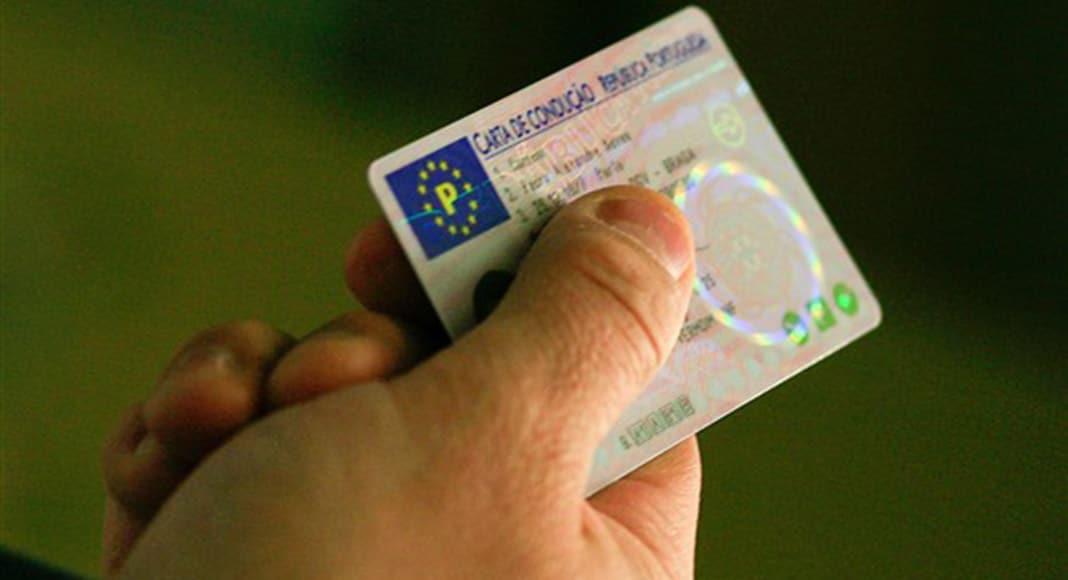
Navigating the Road to Success: A Comprehensive Guide to Passing Your Driving Test
Passing the driving test is a significant turning point for numerous individuals, marking the transition from a student to an independent motorist. While the journey towards obtaining a driver's license can be daunting, comprehending the essential parts of the driving test helps debunk the process. This short article intends to provide essential info, pointers, and resources to assist prospects in successfully navigating their driving tests.
Understanding the Driving Test Components
The driving test makes up two main components: the written test and the useful driving test. Both components examine the candidate's knowledge of roadway rules and their ability to run a lorry securely.
Aspects of the Written Test
The written portion is designed to assess a candidate's understanding of traffic laws, road signs, and safe driving practices. The following points summarize typical areas of focus:
- Traffic Laws: Understanding local and nationwide traffic regulations.
- Road Signs: Identifying and analyzing common roadway signs and signals.
- Safe Driving Practices: Knowledge of defensive driving techniques and emergency situation treatments.
Aspects of the Practical Driving Test
The dry run examines the ability to operate a car in real-world conditions. Secret locations examined during this part of the test consist of:
- Vehicle Control: Demonstrating control over the car, consisting of steering, braking, and velocity.
- Basic Maneuvers: Successfully performing parking, lane changes, and turns.
- Traffic Situations: Navigating through intersections, traffic lights, and pedestrian crossings.
| Test Component | Secret Focus Areas | |
|---|---|---|
| Composed Test | Traffic laws, roadway indications, safe driving practices | |
| Practical Driving Test | Vehicle control, fundamental maneuvers, traffic scenarios |
Getting ready for the Driving Test
Preparation is essential for success. Below are tactical steps candidates can take to improve their chances of passing the driving test:
- Study the Driver's Manual: Review the main motorist's manual offered by your local Department of Motor Vehicles (DMV) or comparable authority. This resource includes essential information about rules and regulations.
- Take Practice Tests: Utilize online resources to take practice tests. These simulate the actual written test experience and aid determine locations requiring enhancement.
- Register in a Driving School: Consider enrolling in a certified driving school for professional guidance. Direction from qualified instructors can supply tailored lessons and insights into important driving strategies.
- Set Up Practice Sessions: Gain adequate behind-the-wheel experience with a licensed driver. Routine practice will help develop self-confidence and improve driving skills.
- Review Common Test Routes: Familiarize yourself with typical paths used by inspectors in your location. Comprehending the landscape can alleviate anxiety on the test day.
Tips for Passing the Written Test
The written test can be a source of stress for lots of learners. Here are effective strategies to enhance performance:
- Use Flashcards: Create flashcards for important roadway signs and traffic laws. This approach help in memory retention.
- Group Study: Form study groups with peers preparing for their driving tests to share understanding and resources.
- Stay Calm: Avoid stuffing the night before. Rather, relax and review product briefly to maintain self-confidence.
Preparing for the Practical Test
The dry run is typically considered as the more challenging part. Below are essential strategies to be successful:
- Practice Defensive Driving: Always remain alert and prepared to respond to other motorists. Anticipating prospective dangers is vital.
- Focus on Speed Control: Maintaining proper speed limitations is essential. Inspectors often monitor speed control carefully.
- Examine Mirrors Frequently: Habitually inspecting mirrors assists ensure awareness of surroundings and displays safe driving practices.
- Communicate with Other Drivers: Use turn signals, make eye contact when necessary, and constantly comply with the right-of-way guidelines to show accountable driving.
- Stay Calm During the Test: Remain composed, even if you make errors. Concentrate on driving safely instead of pursuing perfection.
Typical Mistakes to Avoid
Preventing particular risks can make a substantial difference in the result of your driving test. Here are mistakes to look out for:
- Neglecting to Signal: Always utilize turn signals when changing lanes or making turns.
- Stopping working to Yield: Ensure compliance with yielding procedures to avoid instant disqualification.
- Improper Parking: Ensure that your parking abilities depend on standard, including parallel parking and parking on slopes.
- Being Unaware of Environment: Keep an eye out for pedestrians, cyclists, and other vehicles at all times.
| Common Mistakes | Possible Consequences |
|---|---|
| Overlooking to indicate | Points reduction or disqualification |
| Failing to yield | Immediate disqualification |
| Improper parking | Points reduction |
| Being unaware of environment | Points reduction or disqualification |
Frequently asked questions About Passing the Driving Test
1. How lots of attempts do I have for the driving test?
Most jurisdictions permit multiple efforts, but specific constraints may use. It is a good idea to seek advice from your local DMV for policies.
2. What documents do I need for the test?
Generally, you will require recognition, proof of residency, and a student's license. Again, inspect Tirar Carteira De Motorista for any additional paperwork.
3. Can I use my own lorry for the practical test?
Most of the times, prospects can utilize their own lorries, supplied they meet safety standards. Guarantee your car is sufficiently preserved for the test.
4. How long is each part of the test?
The composed test generally takes approximately 30 to 60 minutes, while the dry run can last between 20 and 40 minutes, depending upon the test standards.
5. What should I do if I stop working the test?
If you do not pass, examine the feedback offered by the inspector, practice the locations where you had a hard time, and schedule a re-test when all set.
Successfully passing the driving test requires thorough preparation, knowledge, and practice. By comprehending the test elements, employing efficient research study techniques, and remaining calm throughout the process, candidates can considerably enhance their opportunities of acquiring their motorist's license. With diligence and commitment, the open roadway waits for those prepared to welcome their driving journey.